It’s Too Long
Article by Gan Shackleton
Recently, I went to a film society meeting where the topic of 2001: A Space Odyssey came up. Most people enjoyed the movie, but one critique was that it was too long.
2001 is a fairly long film (2h21), with extended sequences, for instance, the Blue Danube waltz, which seemed to be the main point of discussion, as some people believed it could perhaps be cut down.
The scene is about six minutes of ships gliding through space as Johann Strauss’s “The Blue Danube” plays. It’s a slow, cerebral experience, but I believe the length is intentional on Stanley Kubrick’s part with the goal of steering the audience into a more analytical and philosophical mindset.
Why did he choose a 19th-century classical piece to underscore spaceships in space? The obvious answer is that Hans Zimmer wasn’t around yet, but it is striking how similar the ships docking are to a waltz. Both involve two, probably white, parties coordinating together, spinning repeatedly in harmony with the music under a formal setting, with the ultimate goal of one eventually inserting itself into the other. Very Bridgerton.
By cutting the Blue Danube waltz, it would also detract from the prior act: a group of ape-like humans learning to use tools to beat each other for the first time. Kubrick creates a contrast between the chaos of the first generation of tool users and the serenity of a generation that treats the stars as their ballet hall. The waltz metaphor diminishes if we start playing with the pacing. It loses that sense of harmony and gradual alignment, while shifting attention more onto the cool sci-fi visuals.
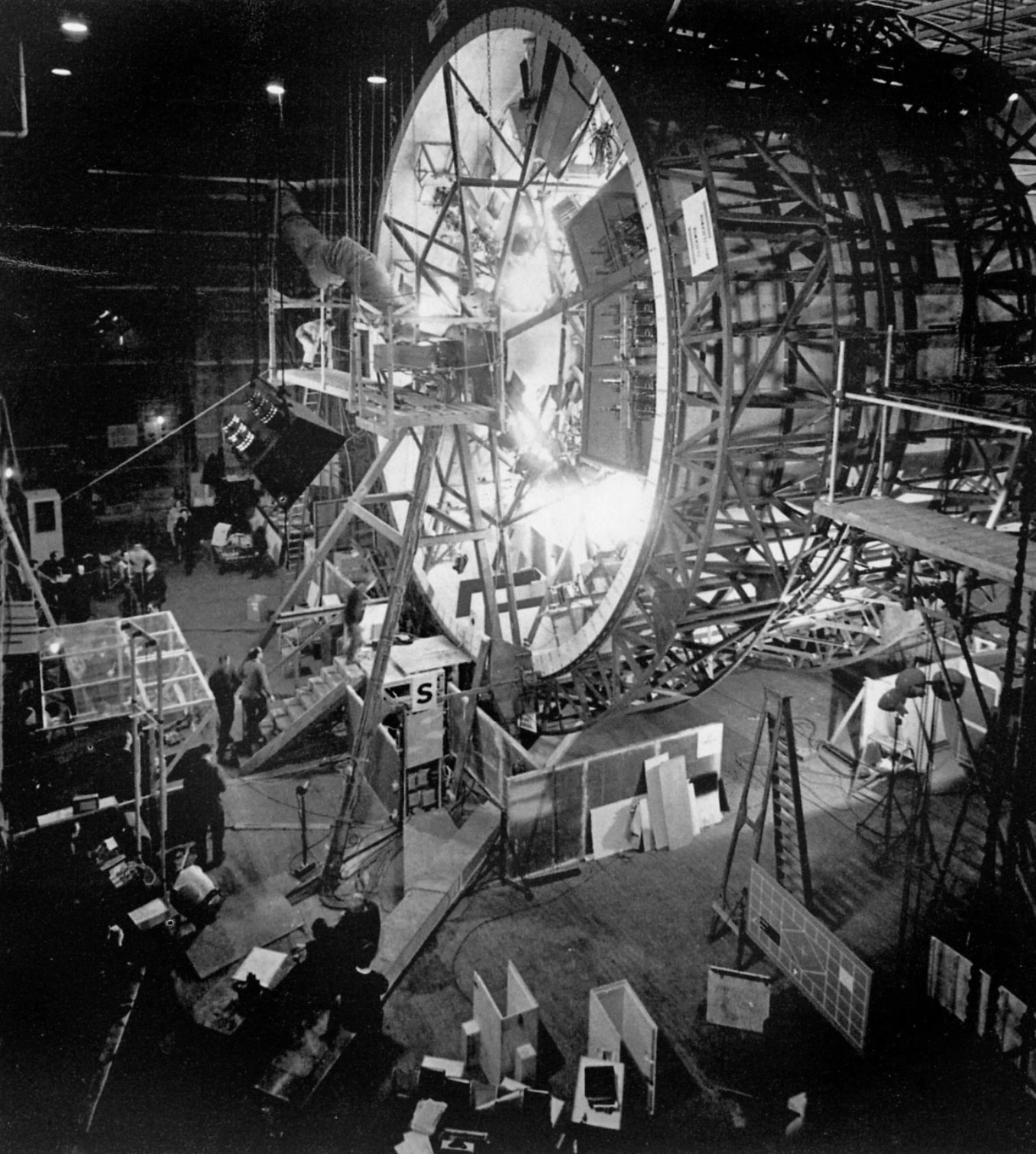
Speaking of cool sci-fi visuals, 2001 was released in 1968, a year before the Apollo 11 mission. Kubrick and his team went to great lengths to ensure the images shown on screen would be accurate, working with former NASA contractors to design the ships and building actual Ferris wheel-style sets. These people really had no reference book and had to come up with creative ways to depict space travel so convincingly.
A lot of us know about the “pen and glass” trick used for the floating pen. This is undeniably impressive, but equally impressive is the actor in the background of that scene pretending their arm is floating in zero gravity. I wonder how many takes Kubrick made them do?
This isn’t to throw shade at modern VFX/SFX artists, but everything in 2001 is practical. Imagine the hours and effort it took to film these scenes so impeccably, with such attention to detail, and over such long durations. It pioneered a new age of sci-fi film. If not for the team behind 2001 paving the way, would the ships in Star Wars look as good as they did? Would Blade Runner and Arrival have been able to push their big questions?
Post a comment